
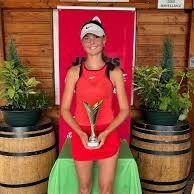
Julie Jirakova
Committed
Committed, current freshman

College tennis is a unique recruiting sport — it’s data-driven (UTR, ITA, ITF), it’s international, and the divisions are deep with hidden gems. We’ve lived every step of that pathway and know how coaches actually evaluate.
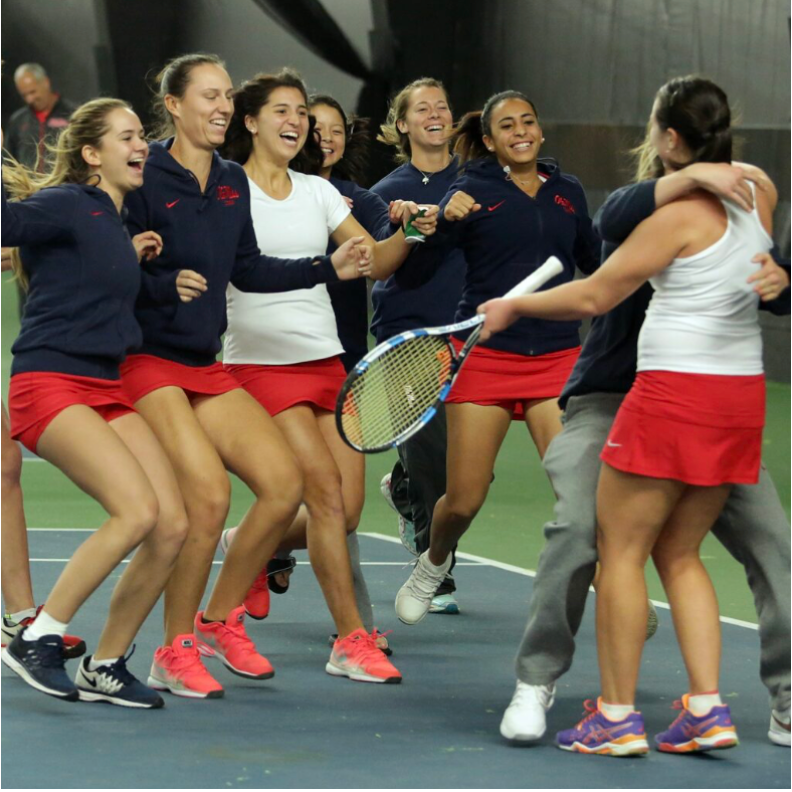
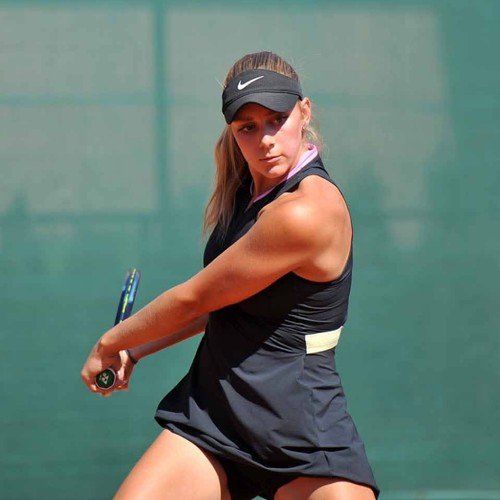
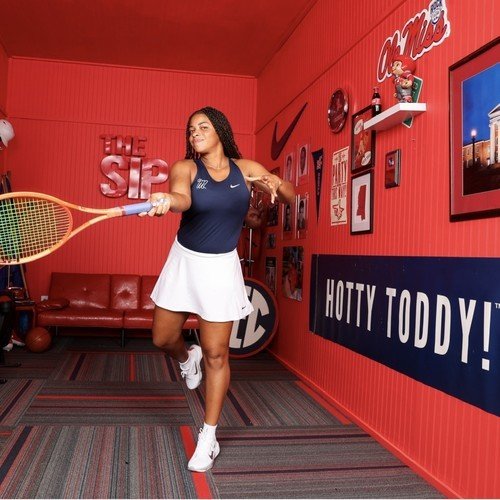
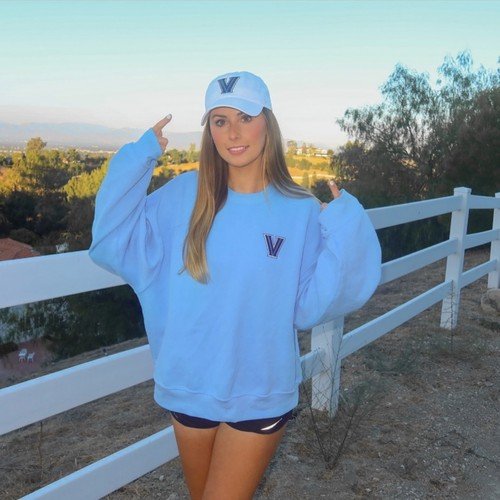
Where our tennis athletes are headed — and who's next.

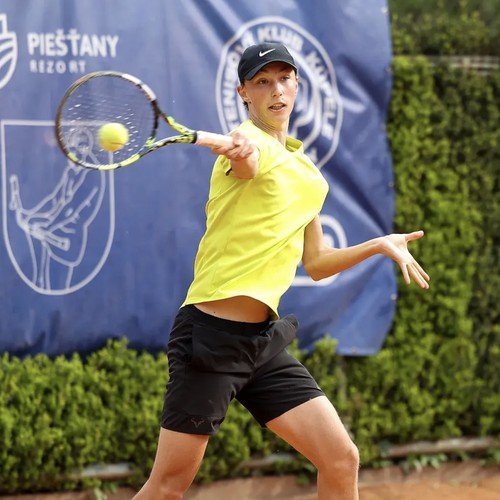

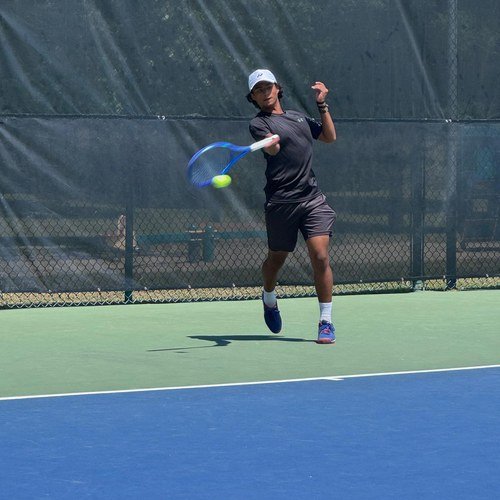
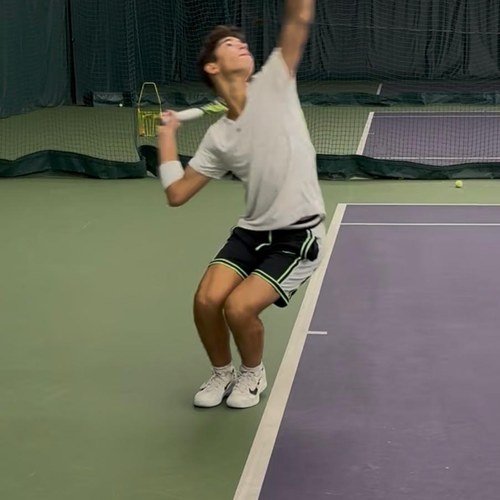
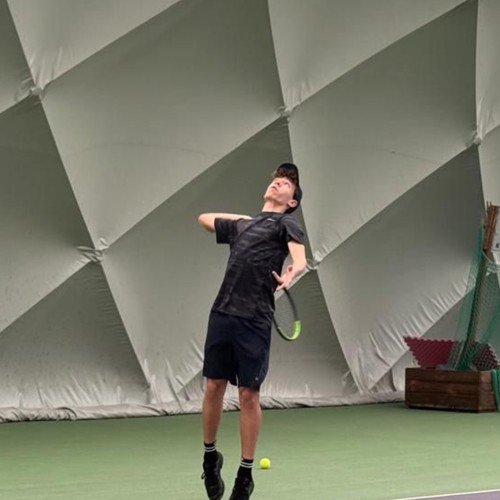
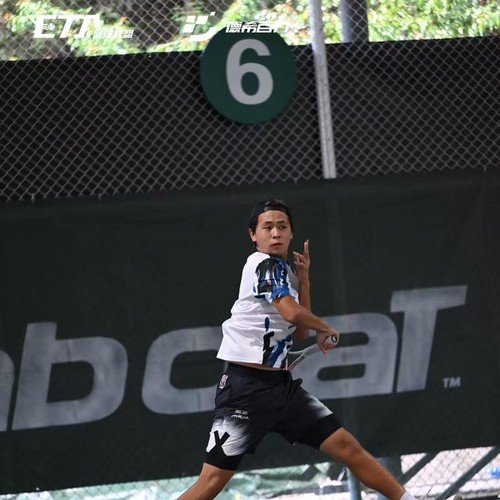
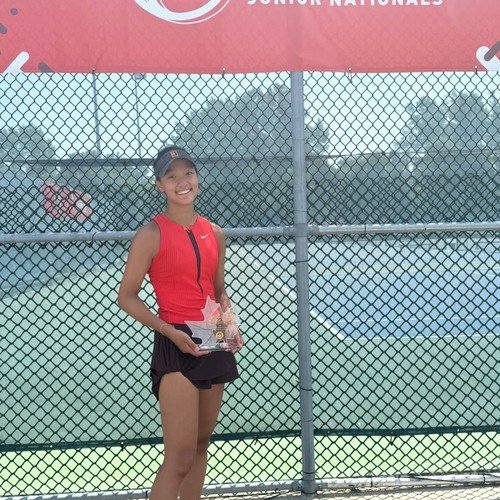
College tennis coaches recruit from a worldwide talent pool, and rosters routinely include players from 6–10 different countries. Your athlete isn’t just competing with kids from their state — they’re competing with juniors from Spain, Japan, Czech Republic, and beyond.
That’s why UTR and ITF junior rankings have become the universal coach language. Your tournament results have to translate. We help families turn their athlete’s play into the rating-and-ranking story coaches actually understand.
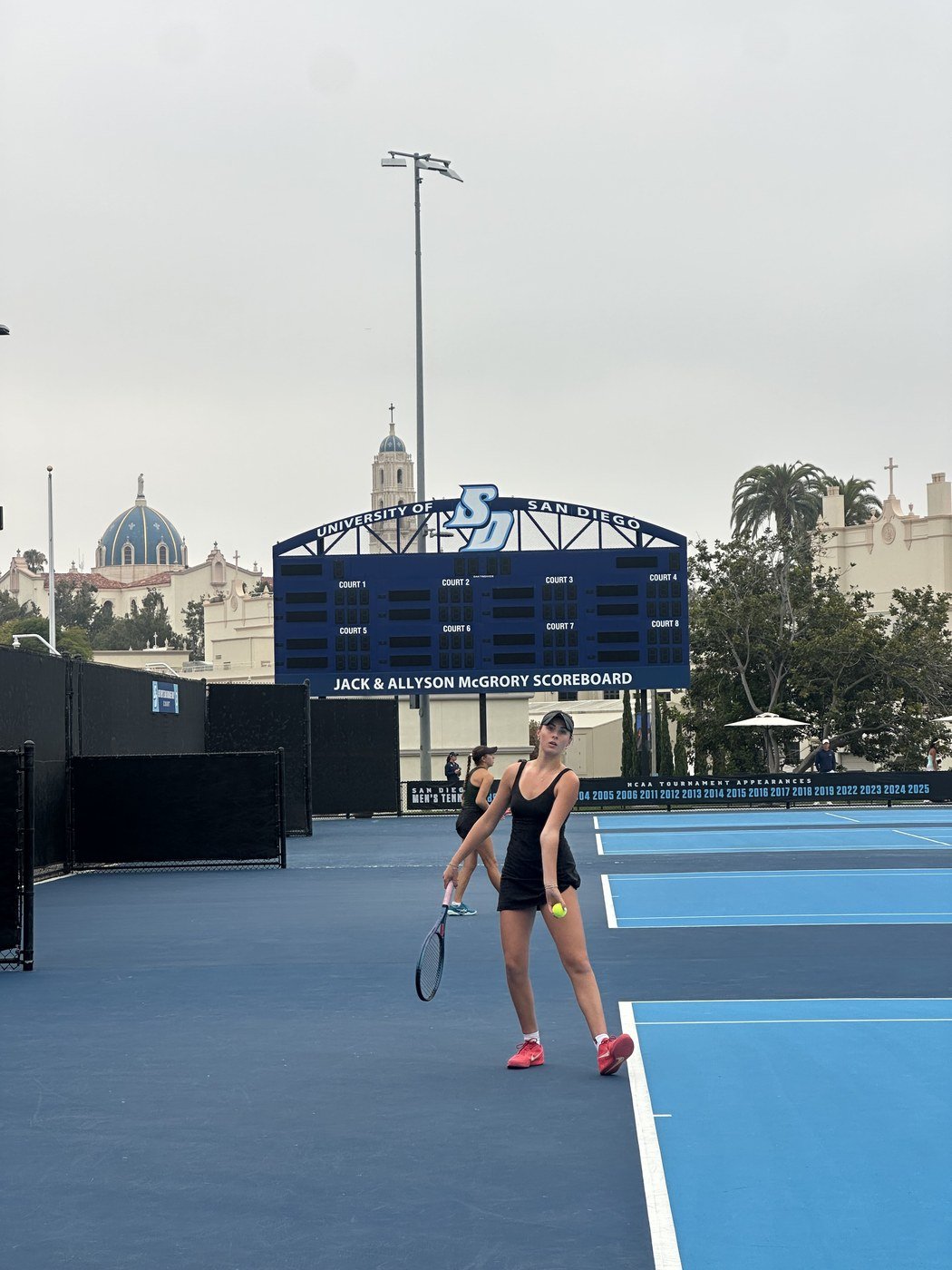
We coach you through every one of these — turning scattered results into a clear, credible recruiting profile.
The single most-used number in college tennis recruiting. Coaches benchmark against their roster’s current UTR range and target slightly above/below it.
Not all events count the same. ITF Juniors, USTA L1/L2/L3, and ITA Summer Circuit each carry different weight. Strategy beats volume.
Coaches don’t want highlight reels — they want full sets. They look for movement, decision-making, and how you compete on big points.
Tennis programs love strong students — especially at academically rigorous D1, D3, and Ivy-equivalent programs where academic aid stacks with athletic.
Often overlooked — but college tennis dual matches start with doubles, and coaches recruit players who can win the doubles point.
Tennis teams travel together for months and live in close quarters. Coaches recruit competitors and teammates — not just rankings.
Tennis recruiting moves earlier than most parents expect — and the ITA rule changes have only accelerated it. Here’s the ideal pacing for a competitive junior.
Begin playing UTR-rated tournaments and USTA L4–L3 events. Establish a baseline UTR (singles + doubles). Compete against players ranked 0.3–0.5 UTR points above to maximize rating gains.
Begin ITF J60/J100 international travel if appropriate. Start tracking UTR trajectory monthly. Begin low-key, results-driven coach outreach with updated highlight matches.
June 15 after sophomore year: NCAA-permitted coach communication opens. Coaches evaluate at L1 Nationals, ITF J200/J300 events, and ITA Summer Circuit. Unofficial visits ramp up; verbal commitments common by senior fall.
Official visits, written offers, and NLI signings (November / April). Many top D1 programs fill their classes by senior fall — which is why starting earlier matters so much in tennis.
We help families build a season calendar that balances UTR, ranking points, travel cost, and visibility — so every event earns its place on your athlete’s resume.
L1, L2, L3 events. The American gold standard for college coaches recruiting domestic juniors.
J60 to J500 — the international ladder. Required for serious ITF ranking and college-coach visibility outside the US.
Direct UTR-bumping events. Strong fields, fast turnaround, and increasingly watched by college coaches.
The collegiate-coach showcase summer. Many staff travel together to evaluate a concentrated pool of recruits.
Don’t skip them. Strong sectional play feeds national draws and matters with in-state coaches.
Little Mo, Eddie Herr, Orange Bowl — the events where elite juniors and college staff converge.
In their own words — juniors we’ve guided from the recruiting fog to signed commitments at programs they love.
After just graduating high school, I still hadn’t committed to a university to play tennis. I felt very underwhelmed and down on myself for not understanding the recruiting process better. Fortunately, thanks to Madison and Natalie, they were able to reach out to several college coaches of all divisions due to their connections within the college tennis scene and help me find the best fit for myself to improve and grow, not only on the court, but off the court as well. Thanks to their amazing help, I was able to commit to a college and play Division 1 tennis at a good academic institution to benefit both my tennis and future ambitions.
Madison has helped me so much throughout the college recruiting process. She always gave everything she had to support me, from reaching out to coaches to editing my college essays. Now that I’m stepping into college after this summer, I’ve come to fully realize just how much she’s done for me — not only in improving my tennis but also as a mentor off the court. She helped me figure out what I truly wanted when I felt overwhelmed. I’m truly grateful and so glad to have her as both a coach and a mentor.
Every goal Madison has ever helped me achieve in my college tennis career thus far, I not only completed but excelled in. Because of her, on and off the court, I am thriving. Her patience, commitment, and genuine care have helped me finally trust myself, my game, confidence, positivity, and reliability as a teammate. Even after my college career ends, I know Madison will be a very important mentor for me.
Natalie played a crucial role in helping me get to college. She provided valuable guidance throughout the NCAA process and consistently ensured that I stayed on track with my English coursework. Her support made a significant difference in my academic journey.
Ranges vary widely. Roughly: 12.5+ for top-tier men’s D1 (and even higher at SEC / ACC programs), 11–12 for mid-major D1 men’s, 10.5+ for top women’s D1, and 9–10 for mid-major D1 women’s. We’ll benchmark against current rosters at your target programs.
Most competitive juniors play 15–25 ranked events per year. Quality and field strength matter more than sheer volume. We help you avoid the mistake of stacking weak-field events that don’t move the needle.
Coaches will look at video, but they want full-set or full-match footage — not a 90-second highlight reel. The goal is to show how you compete, not just how you hit.
Absolutely. D3 tennis at academically elite programs is some of the best college tennis in the country, and D2 and NAIA programs offer real athletic scholarships plus strong competition. We map the entire landscape, not just the big names.
We walk you through NCAA registration, amateurism certification, and TOEFL / academic prep for international athletes — so your athlete shows up in the right places, with the right paperwork, when coaches go looking.
A free 30-minute tennis-specific consult. We’ll review your athlete’s game, suggest a tournament strategy, and map programs that match both their level and their academics.
Schedule a Tennis ConsultWe’ll get back within one business day with an initial read on where they realistically fit — and what to focus on next.
The latest from our showcase, recruiting wins, and behind-the-scenes coaching.
From academies around the world to educators, to individual tournaments, we collaborate with the organizations shaping the next generation of college-bound players.